

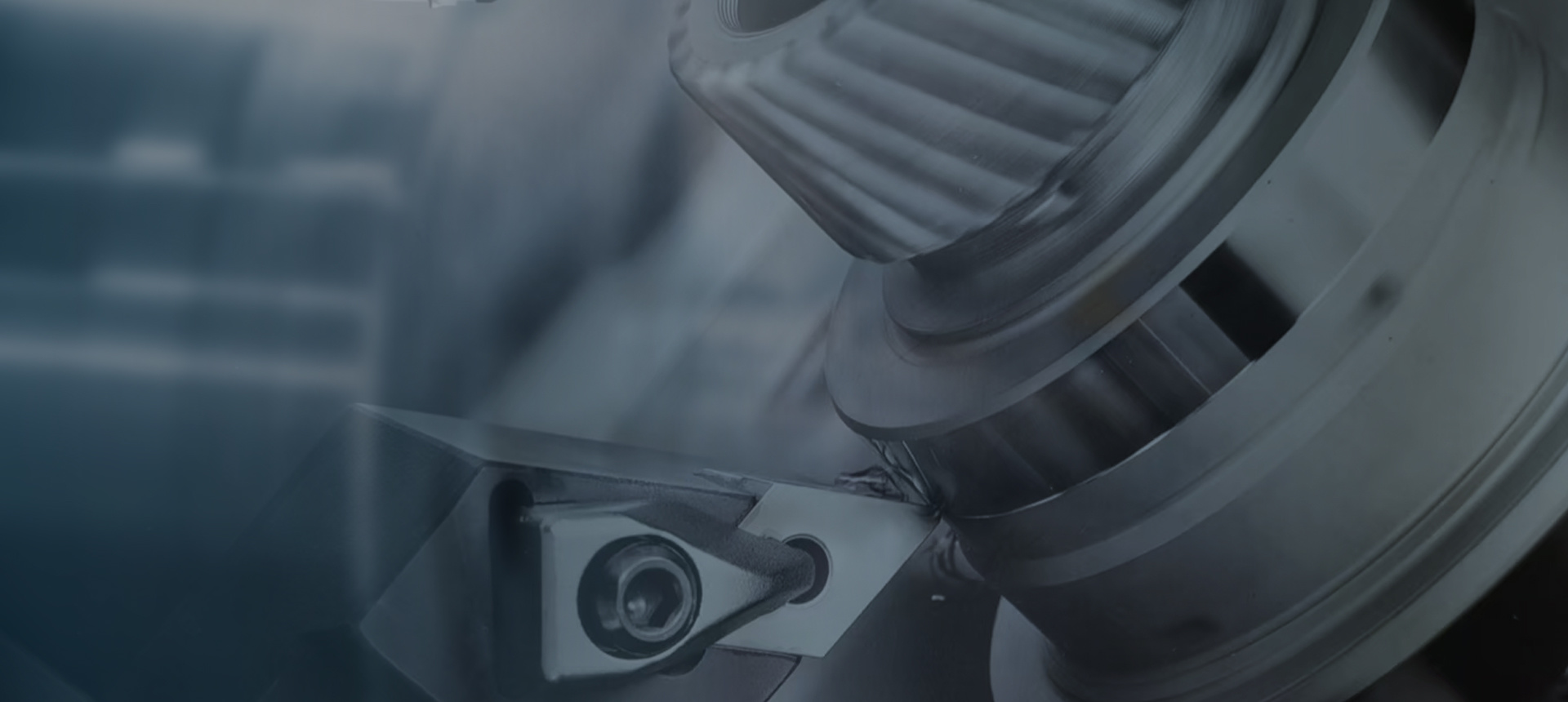
Double the efficiency! Uncovering the core methods of high-precision milling
Release Date:
2025-05-22
There are various milling methods, and selecting the appropriate method is crucial for improving processing efficiency, reducing production costs, and ensuring part quality. In practical applications, the appropriate milling method and process parameters must be selected based on factors such as the material, shape, size, and production requirements of the part. Simultaneously, with the development of technology, new milling technologies and processes are constantly emerging, such as CNC technology, high-speed cutting technology, and composite material cutting technology, bringing new opportunities and challenges to the development of milling processes.
Milling is a very common process in metal machining. There are various methods, each with its specific applications and advantages. The following is a detailed introduction to milling methods:
Basic Milling Methods:
1. Peripheral Milling: Mainly used for machining external contours, including vertical milling and horizontal milling. In vertical milling, the cutter rotates to cut; in horizontal milling, the workpiece rotates to cut.
2. Face Milling: Uses the end teeth of the milling cutter to cut, mainly used for machining flat surfaces.
3. Angular Milling: Machining various inclined surfaces or inclined surface contours. The cutter angle and inclination can be adjusted as needed.
4. Slot Milling: Mainly used to machine complex parts such as narrow slots or recesses.
Different Types of Milling Methods:
1. Conventional Milling: Suitable for machining general materials such as carbon steel and alloy steel. Different cutting effects are achieved by adjusting the relative movement between the cutter and the workpiece.
2. High-Speed Milling: Suitable for high-speed machining of materials such as aluminum alloy and copper. It features high precision and high efficiency, but requires high performance equipment.
3. CNC Milling: Uses CNC machine tools for machining, enabling automated and high-precision processing. Suitable for mass production of complex parts.
4. Mold Milling: Mainly used for machining cavities and cores in the mold manufacturing process. It has high requirements for cutter selection and cutting parameters.
Milling Methods in Special Applications:
1. Gear Milling: Specifically used for machining gears, including spur gears and helical gears. Precise gear machining is achieved through specific cutters and cutting parameters.
2. Curved Contour Milling: Used for machining parts with curved contours, such as cams and arc grooves. Precise tool path planning and cutting parameter settings are required.
3. Five-Axis Milling: Uses five-axis CNC machine tools for machining, enabling high-precision machining of complex curved surfaces. Widely used in aerospace and automotive industries.
4. Ultra-Precision Milling: For machining high-precision parts such as optical components and semiconductor materials. Requires high-precision equipment, tools, and process technology support.
For example, in the automotive industry, peripheral milling and face milling are often used for the external contours and flat surface machining of automotive parts; mold milling is widely used in the cavity and core machining during the mold manufacturing process; high-speed milling is suitable for the high-efficiency machining of aluminum alloy automotive parts. In the aerospace field, five-axis milling and ultra-precision milling play an important role, used for machining high-precision curved surface parts and optical components, etc.
There are various milling methods. Choosing the right milling method is crucial for improving processing efficiency, reducing production costs, and ensuring part quality. In practical applications, the appropriate milling method and process parameters need to be considered comprehensively based on factors such as the material, shape, size, and production requirements of the parts. At the same time, with the development of technology, new milling technologies and processes are constantly emerging, such as CNC technology, high-speed cutting technology, and composite material cutting technology, bringing new opportunities and challenges to the development of milling technology.
Get a Free Consultancy

A manufacturing enterprise specializing in the production of Polycrystalline Diamond (PCD) tools and Cubic Boron Nitride (PCBN) tools
Phone: +86-18505106821
Email: peter@kingcitools.com
Address: 1st Floor, Building 5, No. 26-1 Hongyue Road, Hongshan Street, Xinwu District, Wuxi City
Official WeChat for Business
Copyright © 2025 Wuxi KingCi Precision Tools Co., Ltd